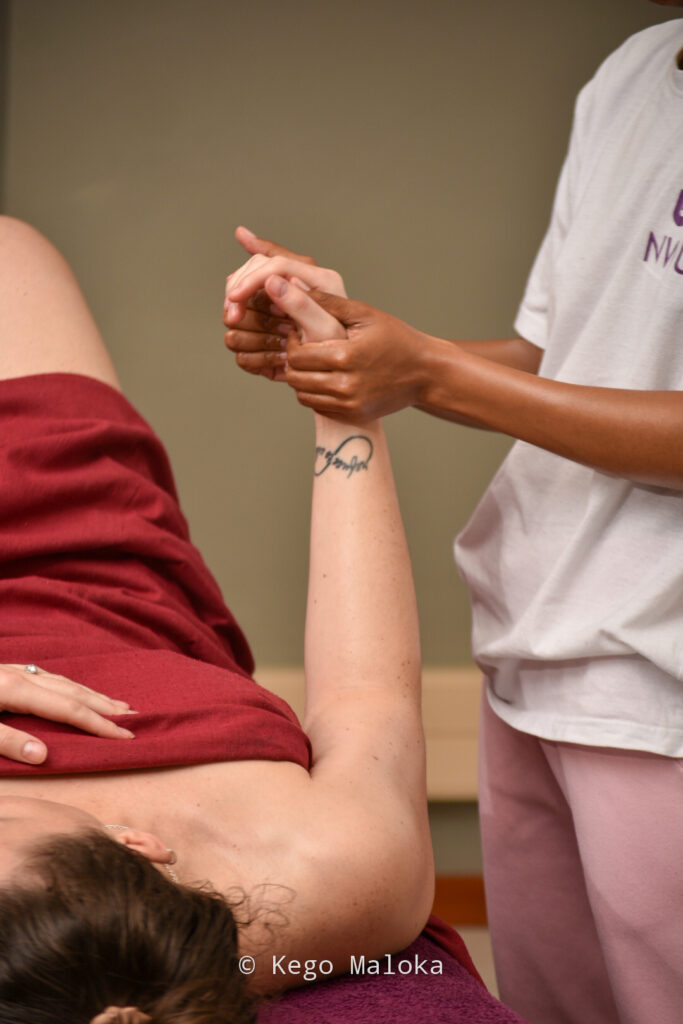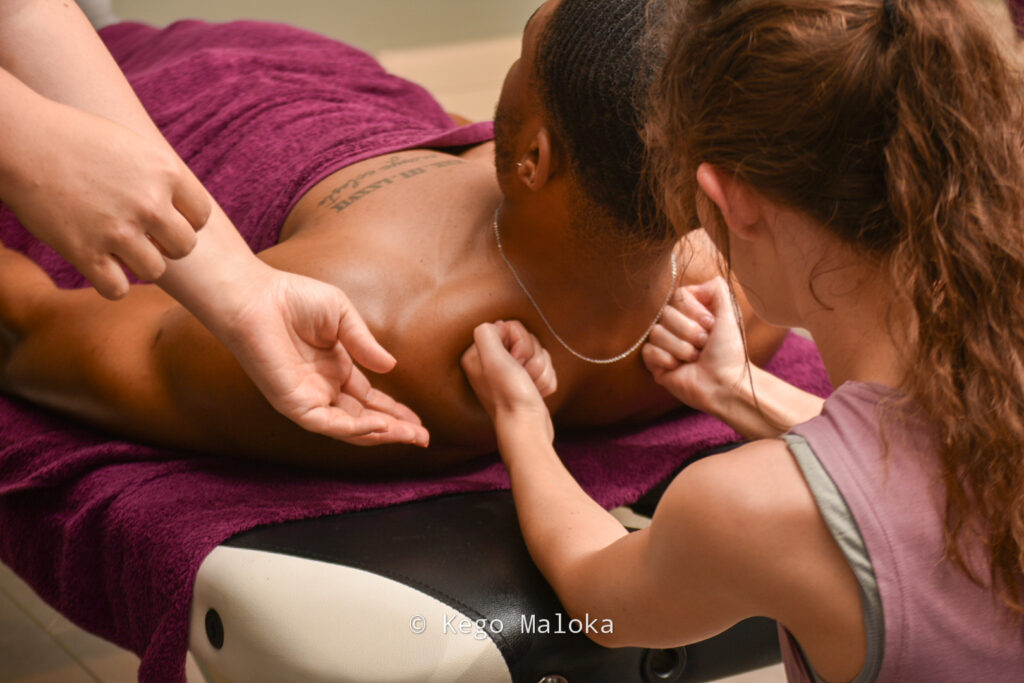

Did you Know!
Sport Massage Can Improve Recovery — Backed by Science Did you know that sport massage has been scientifically shown to support muscle recovery and performance, not just relaxation? Research consistently shows that sport massage can play an important role in post-exercise recovery by influencing the body’s physiological and neurological systems. What the Science Says Studies published in journals such as the Journal of Athletic Training and British Journal of Sports Medicine indicate that sport massage can: ✔ Reduce delayed onset muscle soreness (DOMS)Massage has been shown to decrease perceived muscle soreness after intense exercise by improving local circulation and reducing muscle tension. ✔ Improve range of motion (ROM)By decreasing muscle stiffness and improving tissue elasticity, massage can help restore joint mobility following training or competition. ✔ Support the nervous systemSport massage stimulates the parasympathetic nervous system, helping the body shift from a “fight or flight” state into recovery mode — essential for tissue repair and regeneration. ✔ Reduce inflammation at a cellular levelA landmark study found that massage may reduce the production of inflammatory cytokines while promoting mitochondrial biogenesis — helping muscles recover more efficiently. More Than Just Muscles Recovery isn’t only physical. Research also shows that massage can: • Lower cortisol (stress hormone) levels• Improve mood and relaxation• Enhance body awareness and movement quality These effects support consistent training, reduce injury risk, and improve overall athletic longevity. Why This Matters for Athletes & Active Individuals Proper recovery is just as important as training. When used correctly and ethically by trained professionals, sport massage becomes a performance support tool, not a luxury. This is why professional standards, education, and evidence-based practice are central to the mission of the Sport Massage Association. Evidence-Based Practice Matters At the SMA, we advocate for:• Science-informed techniques• Proper assessment and contraindications• Ongoing education and professional development• Ethical, client-centred care Because credible practice builds trust — with athletes, healthcare professionals, and the public. References: